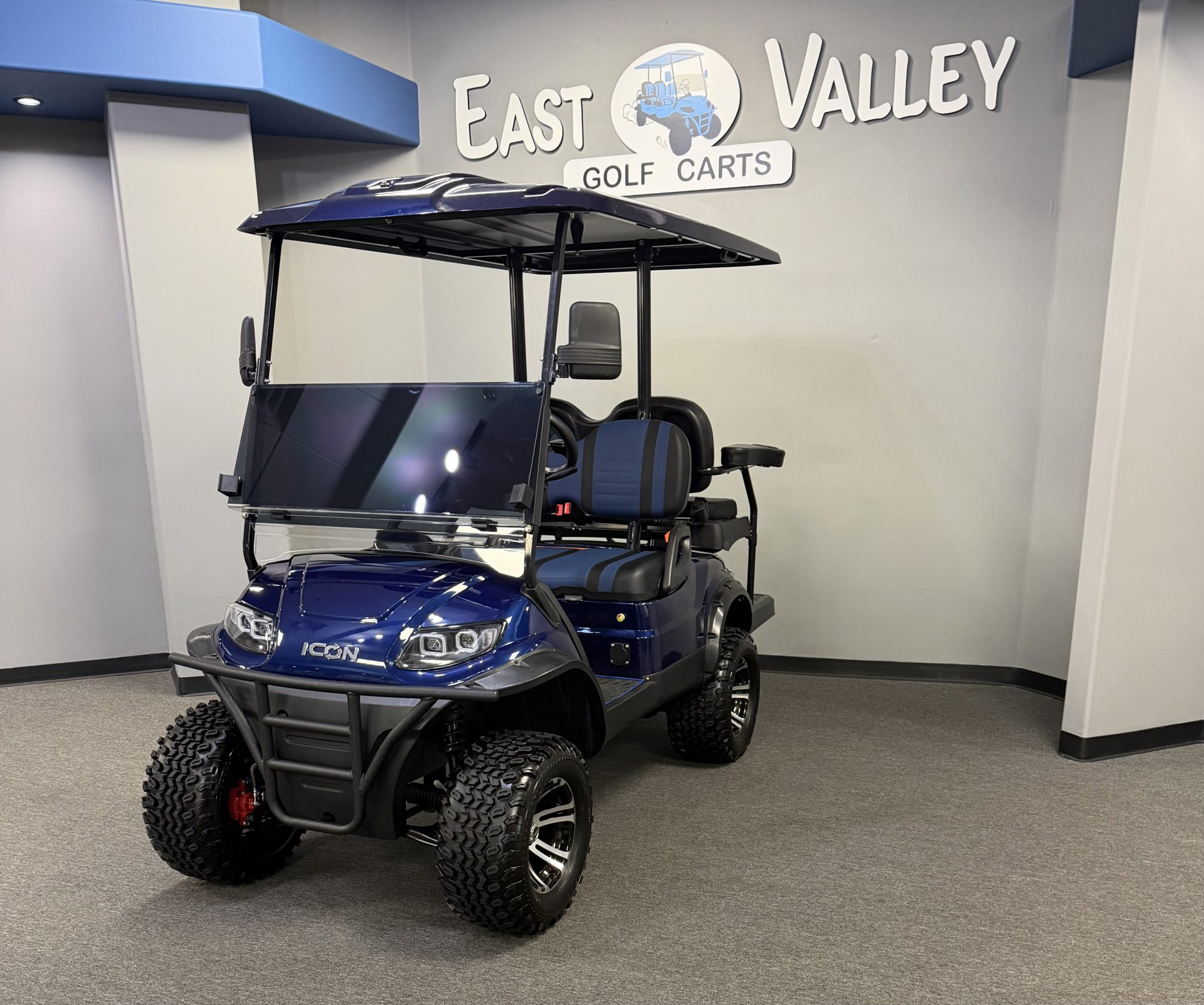
Street Legal · LSV 4-Seater Lithium
15,525 listings
There are 15525 street legal golf carts listed right now. Prices range from $250 to $99,999.
Street Legal · LSV 4-Seater Lithium
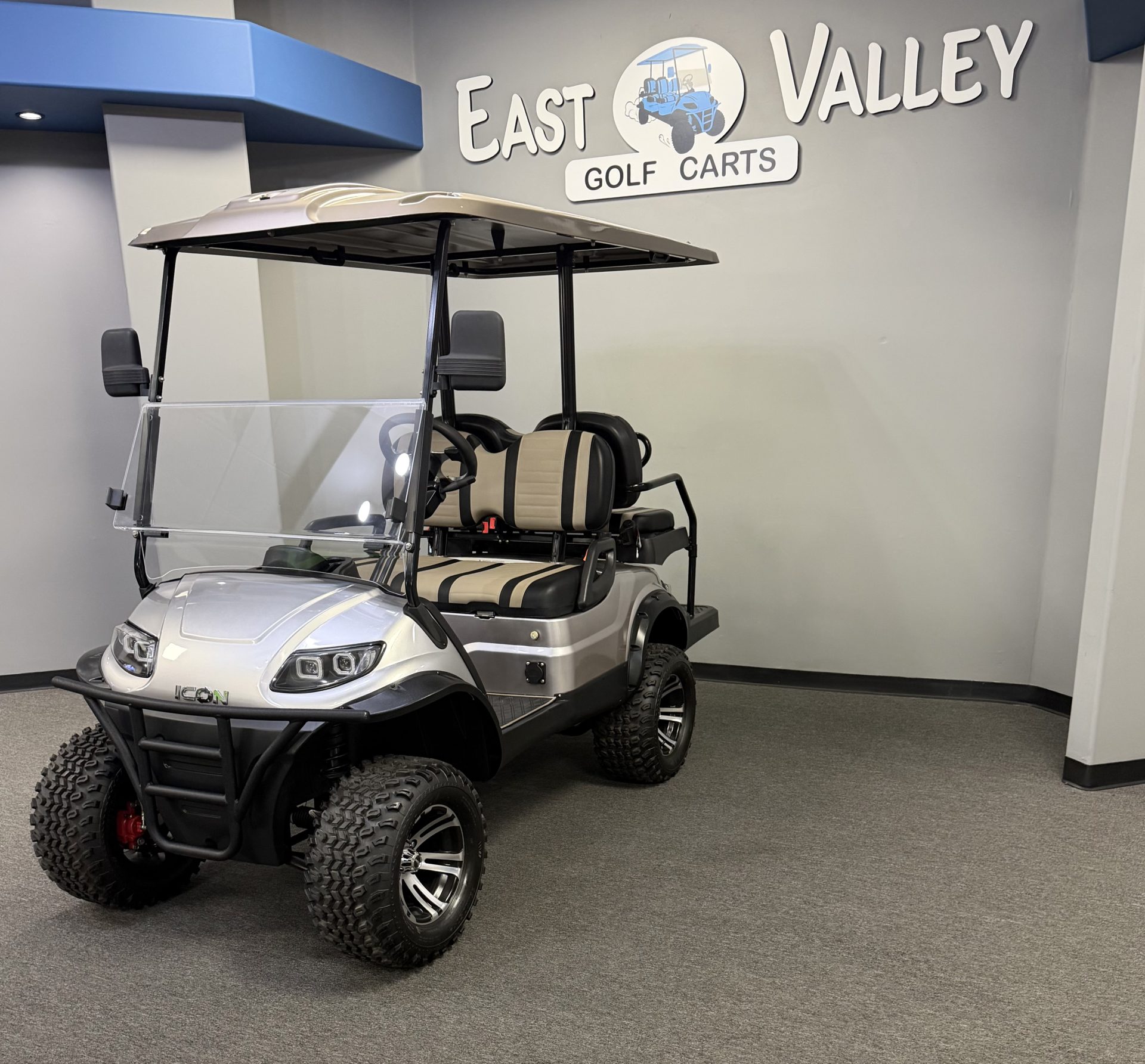
Street Legal · LSV 4-Seater Lithium
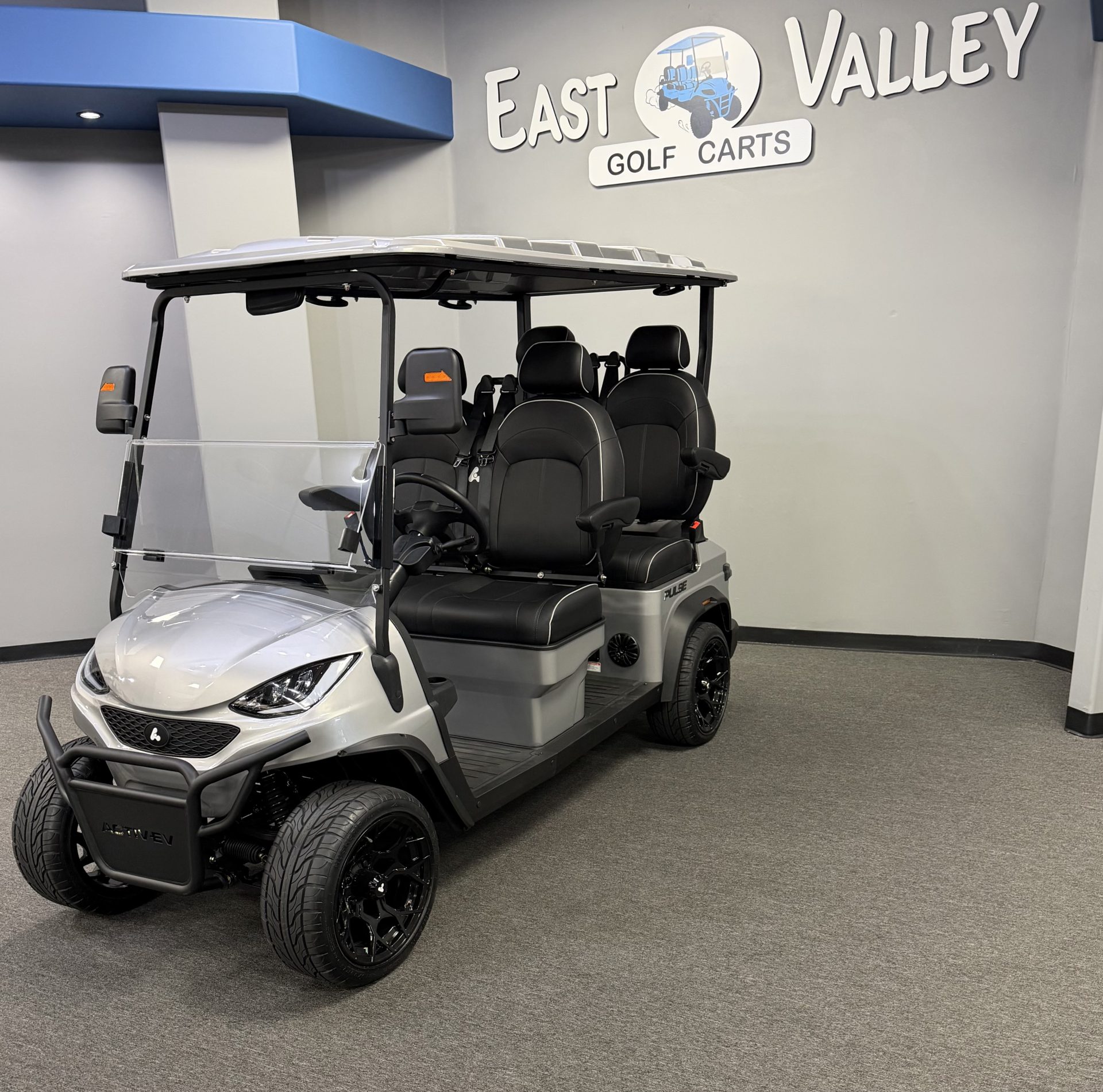
Street Legal · LSV Lithium
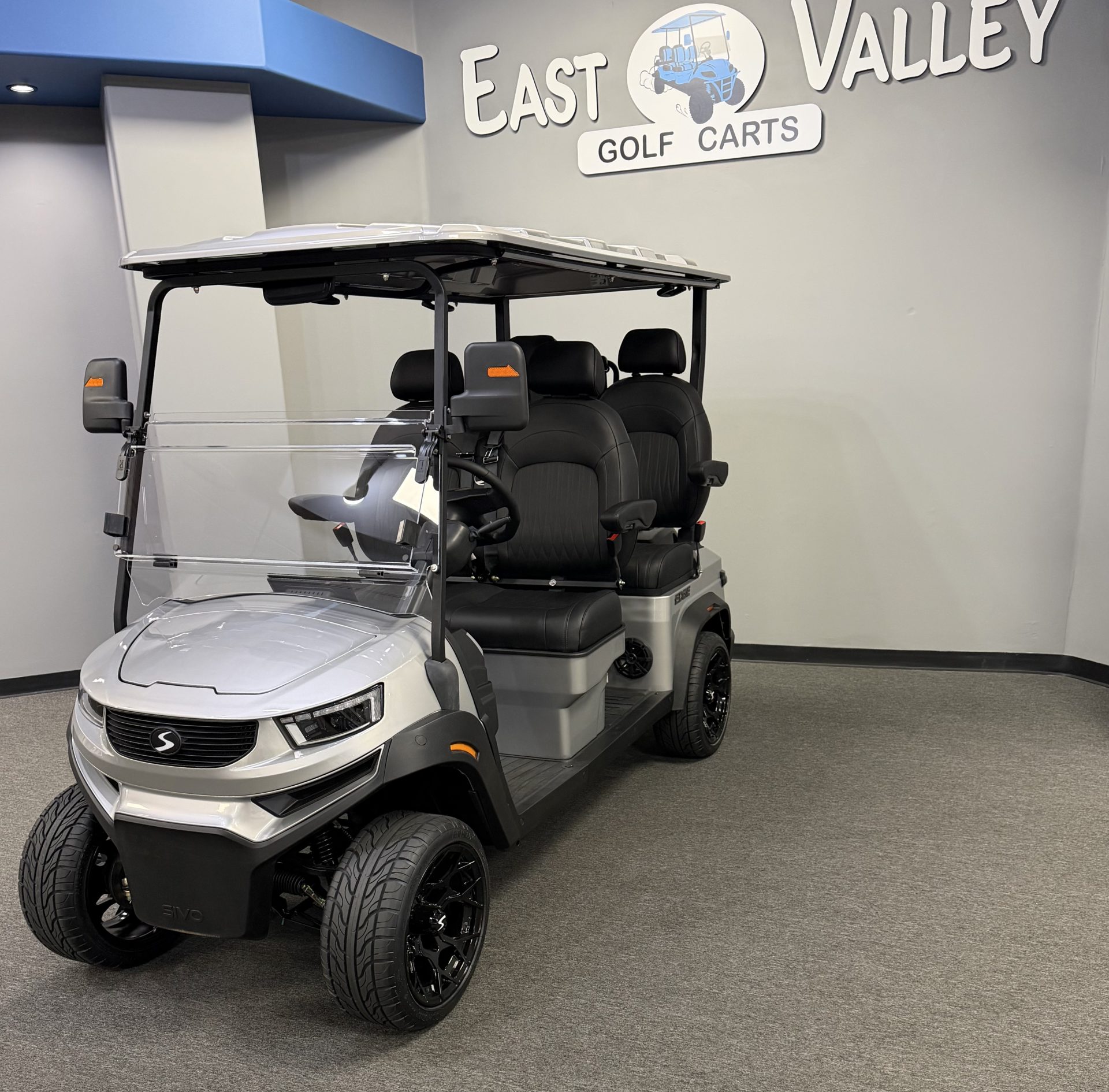
Street Legal · LSV Lithium
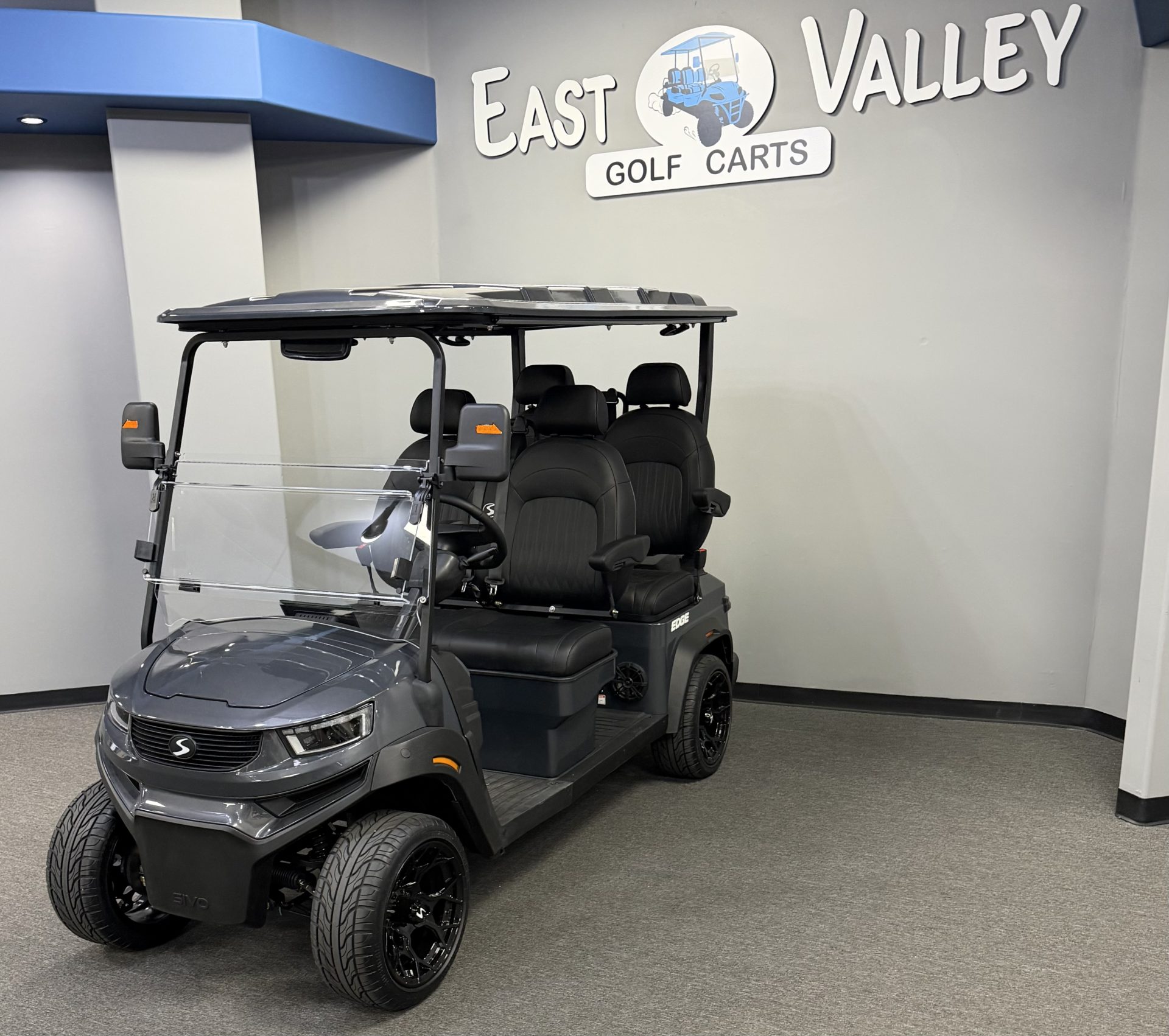
Street Legal · LSV Lithium
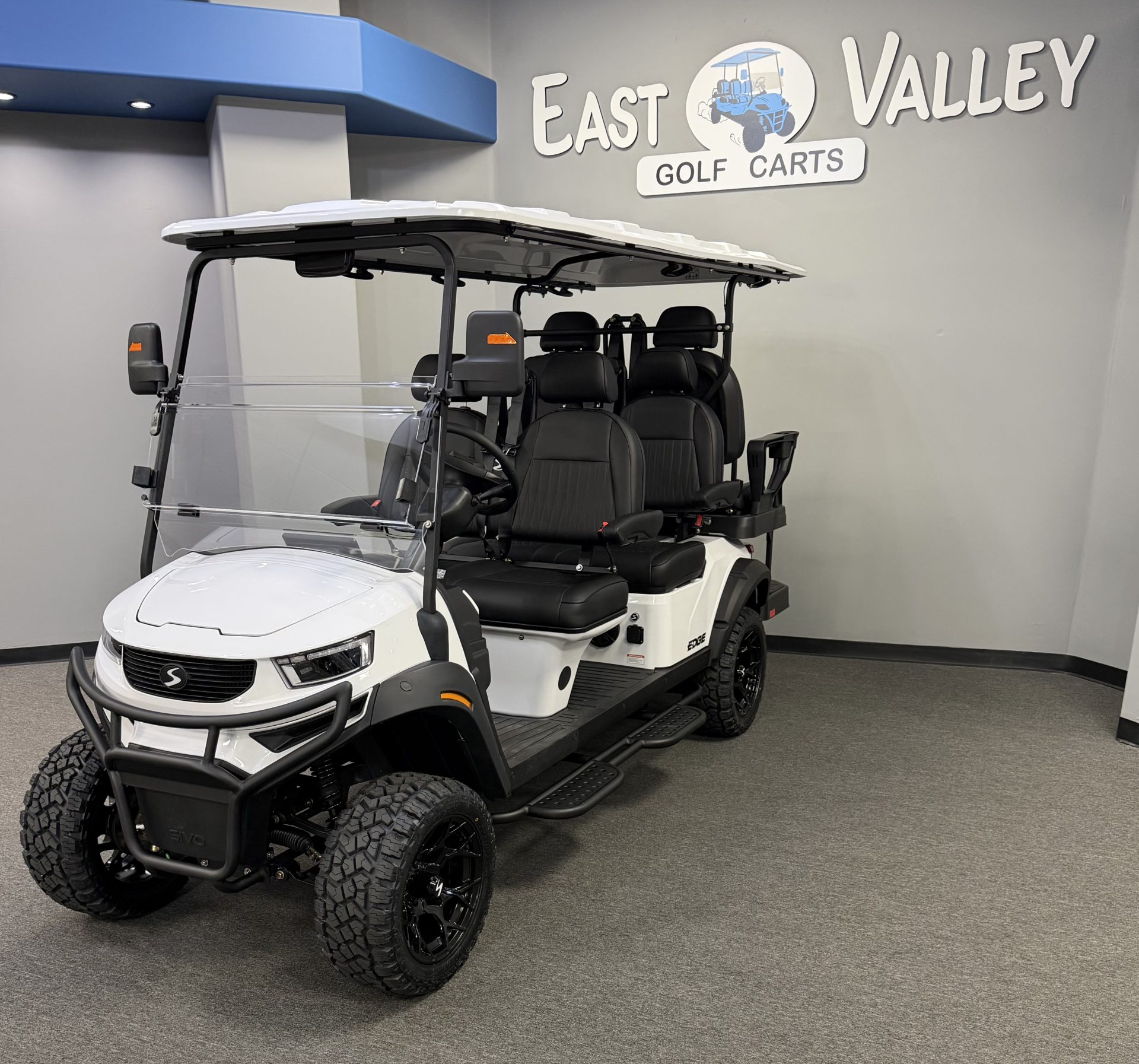
Street Legal · LSV Lithium
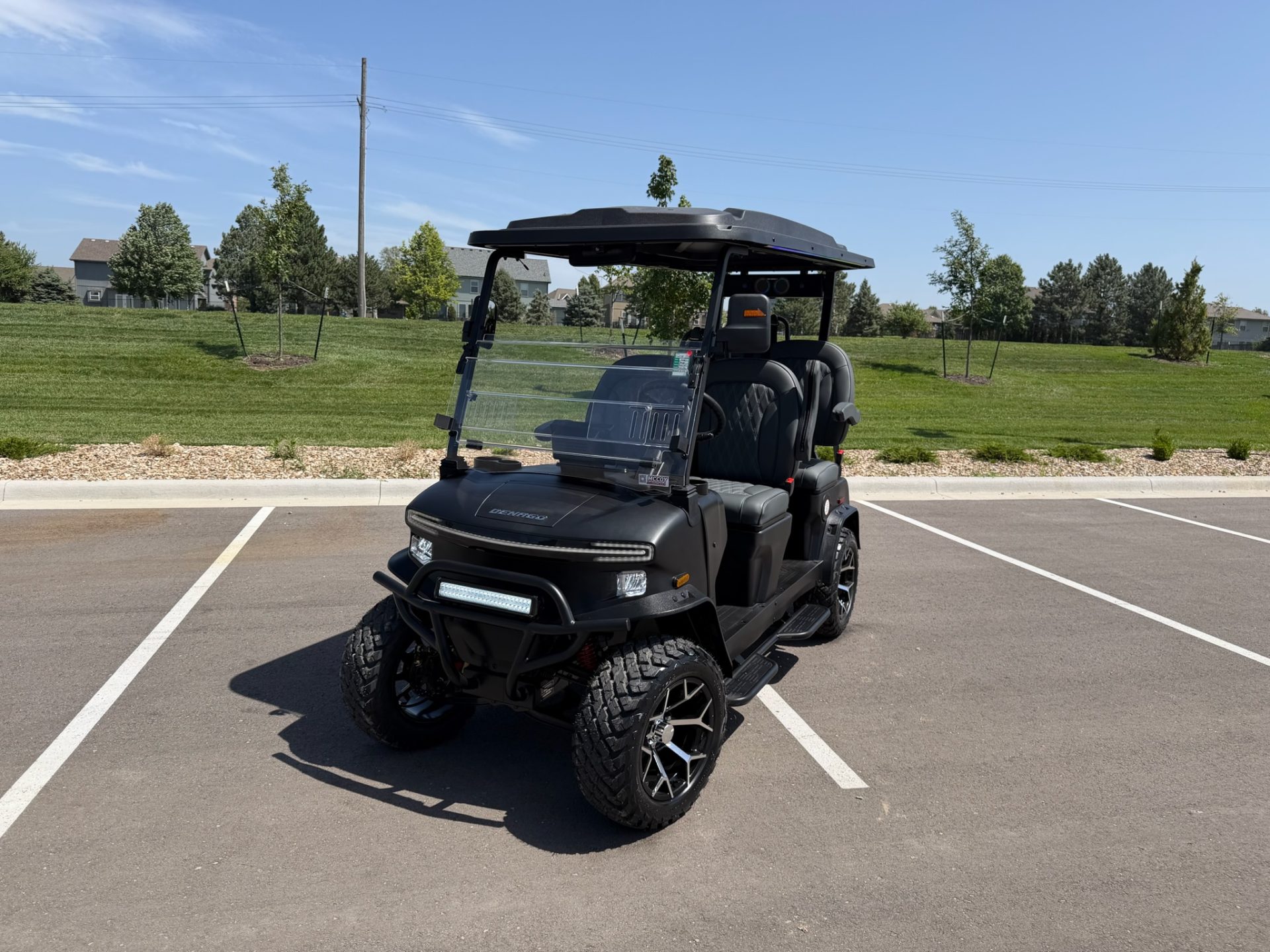
Street Legal · LSV 4-Seater Lithium Lifted
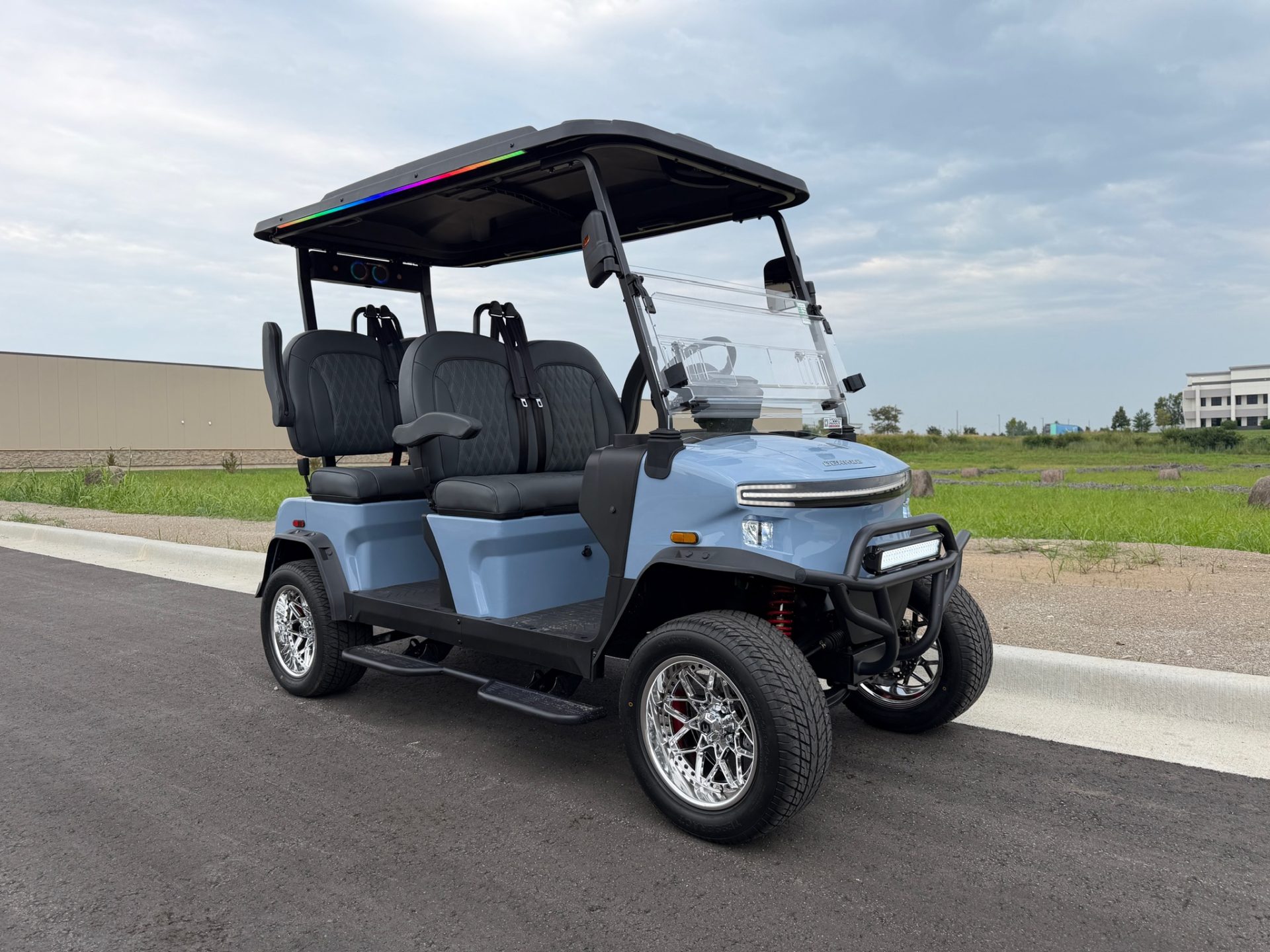
Street Legal · LSV 4-Seater Lithium Lifted
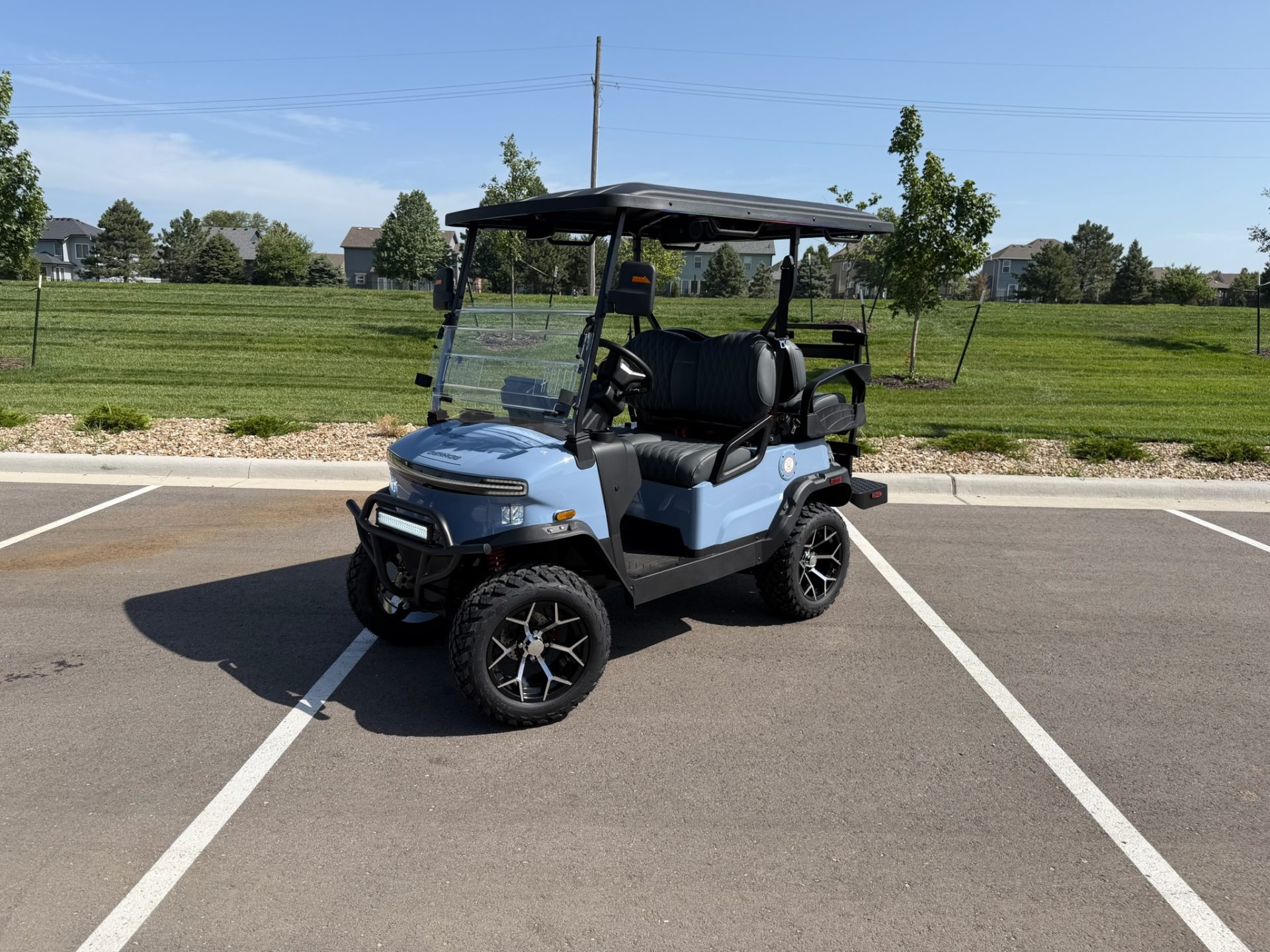
Street Legal · LSV 4-Seater Lithium Lifted
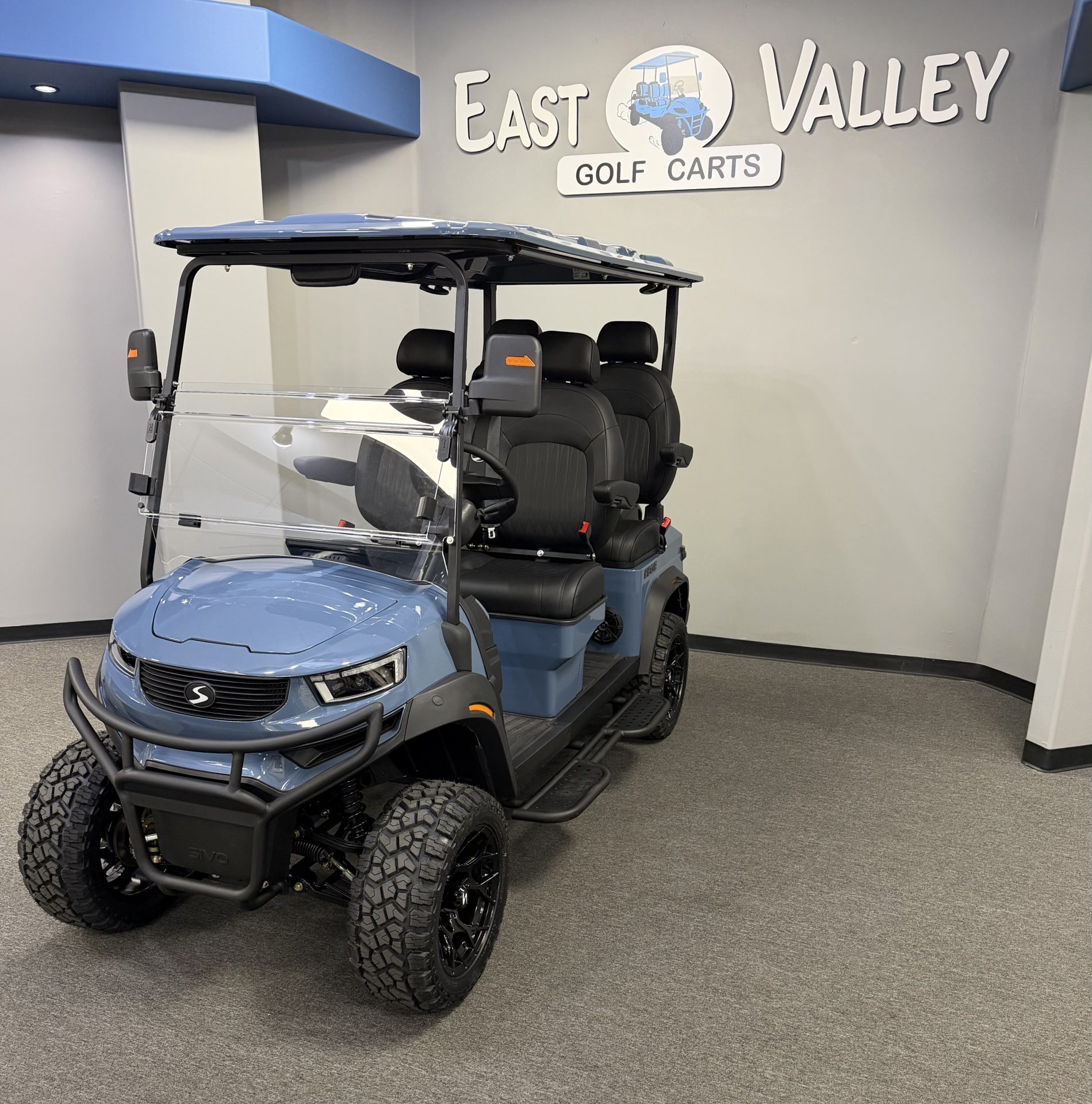
Street Legal · LSV Lithium
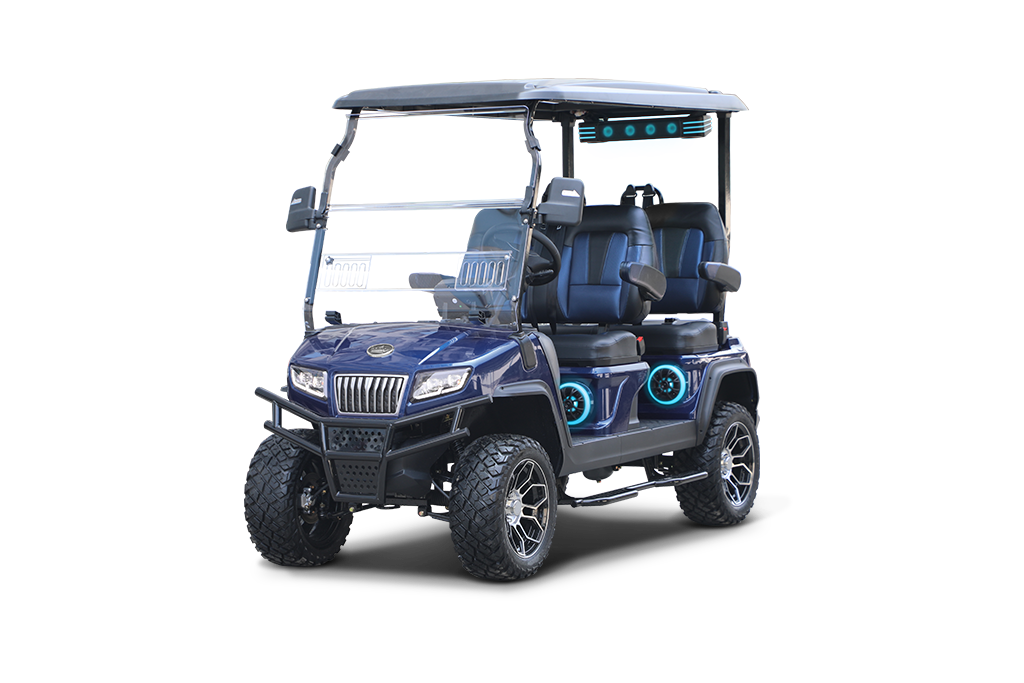
Street Legal · LSV Lithium
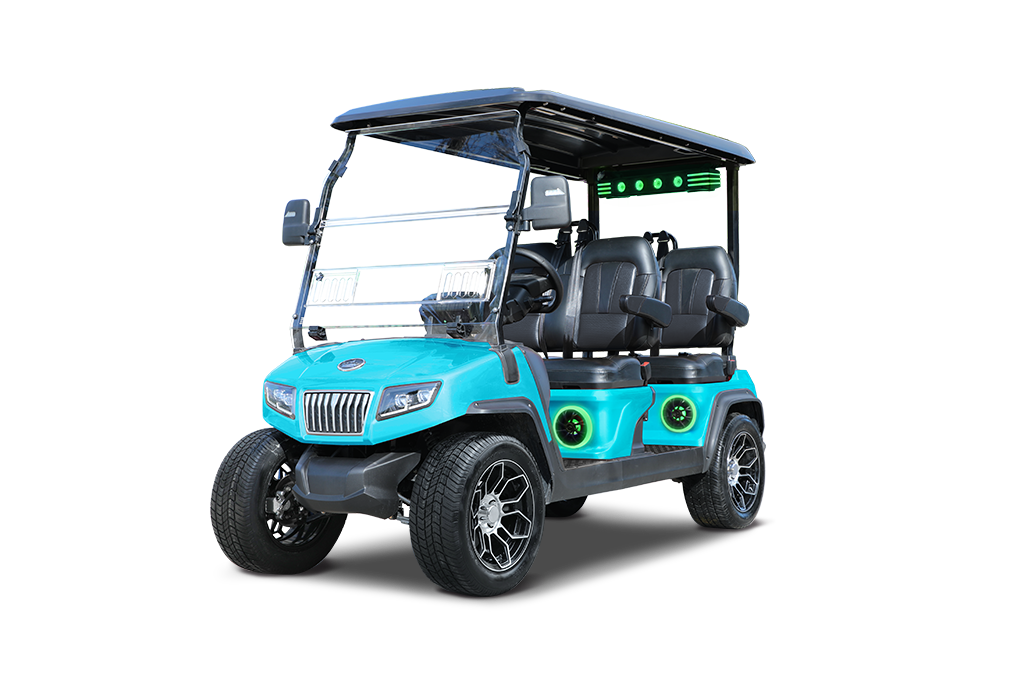
Street Legal · LSV Lithium
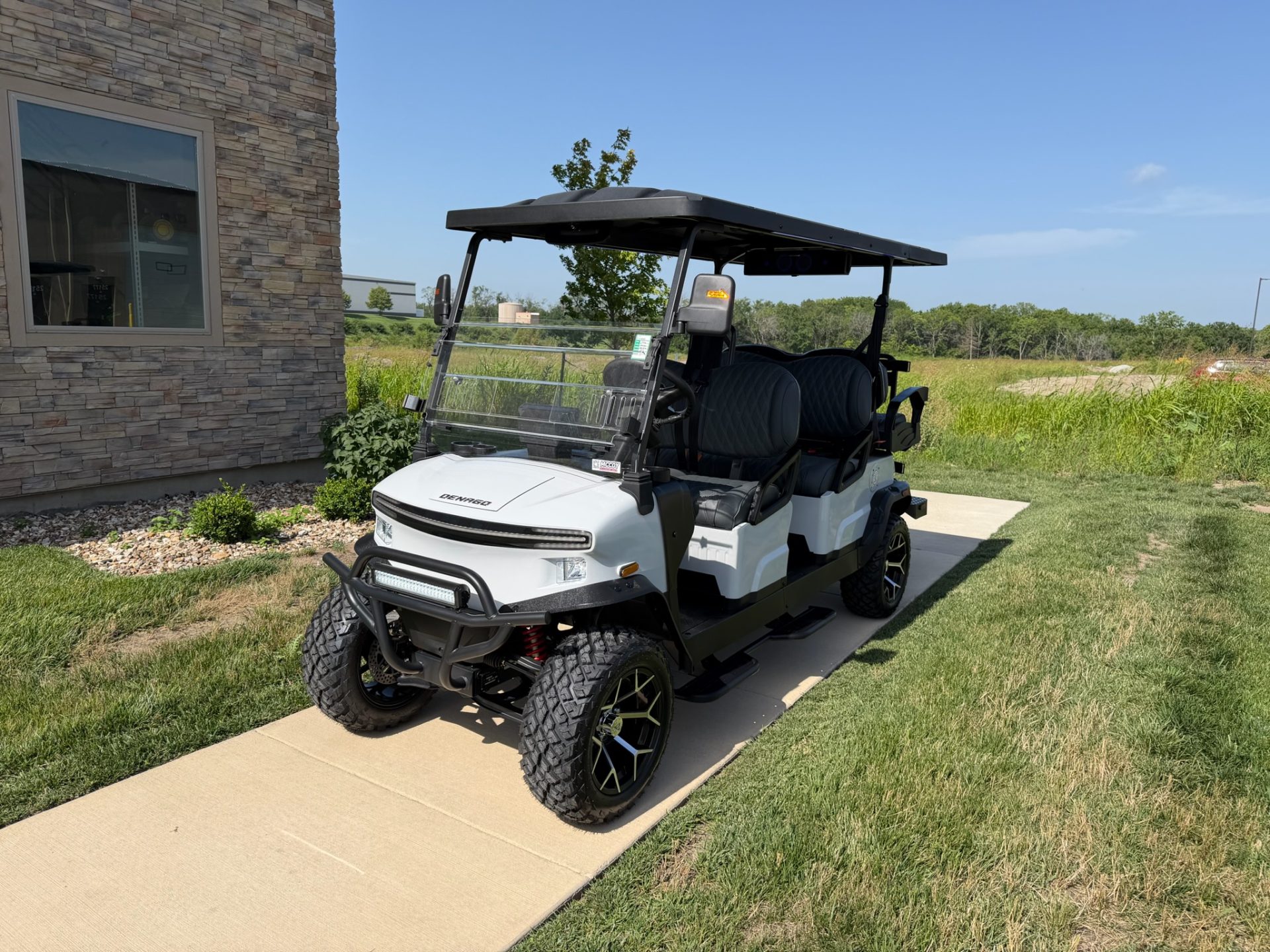
Street Legal · LSV 4-Seater Lithium Lifted
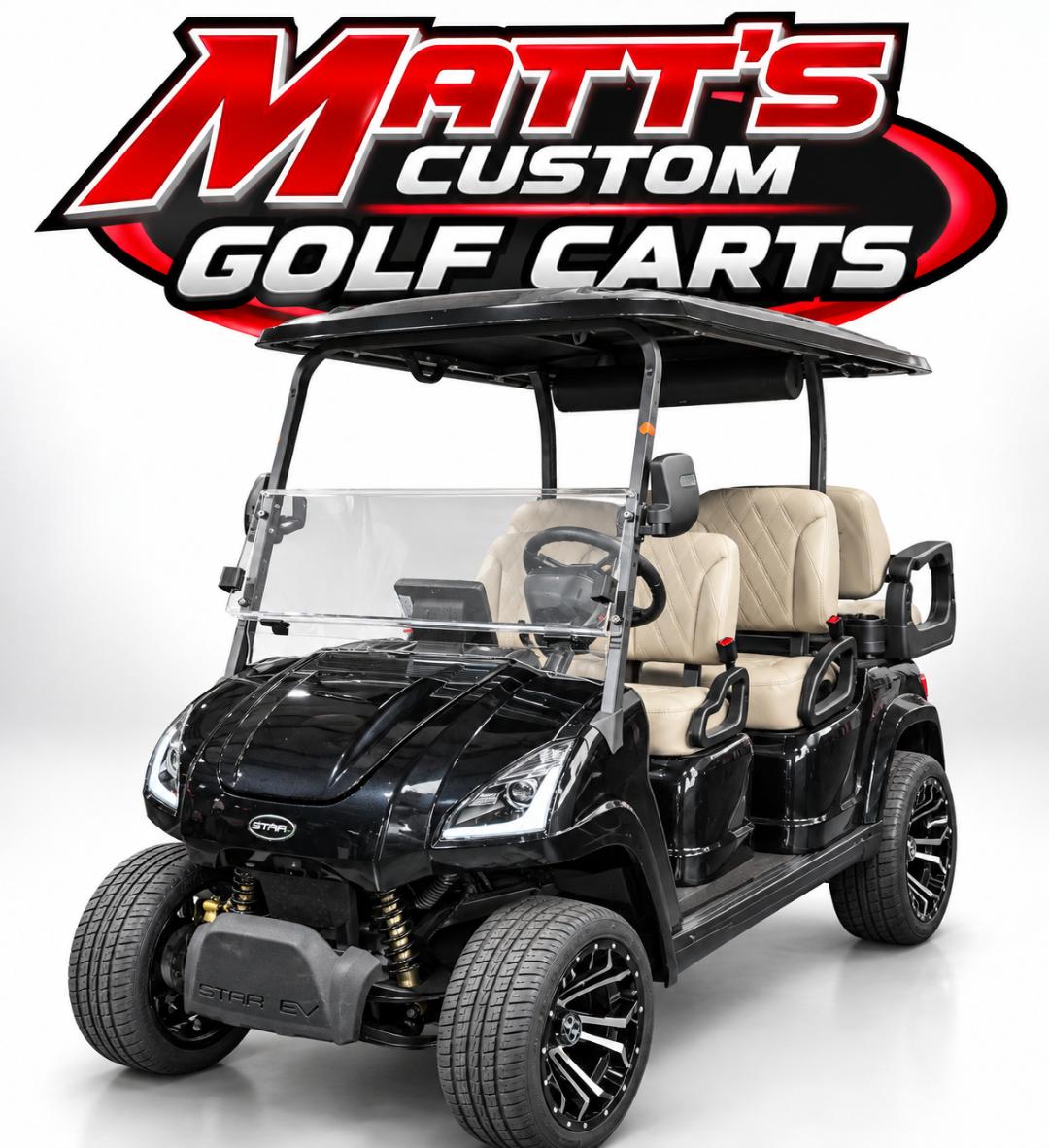
Street Legal · LSV Lithium
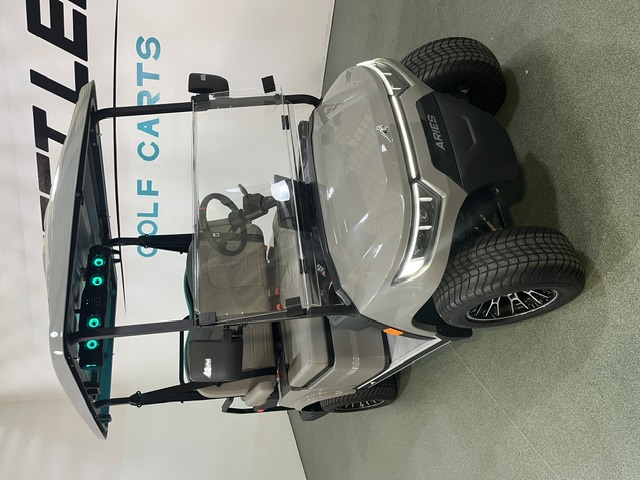
Street Legal · LSV Lithium
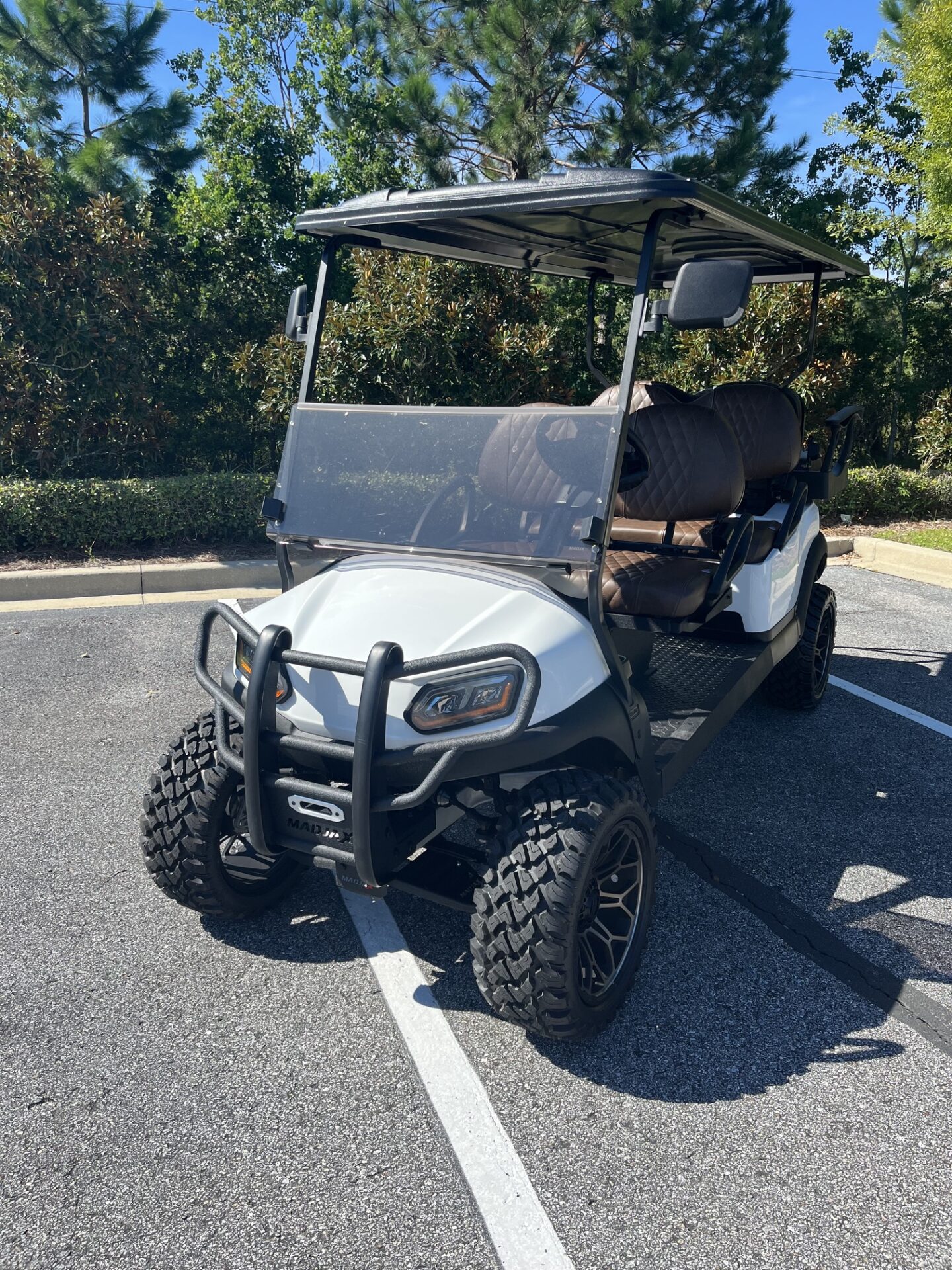
Street Legal · LSV 6-Seater Lithium Lifted
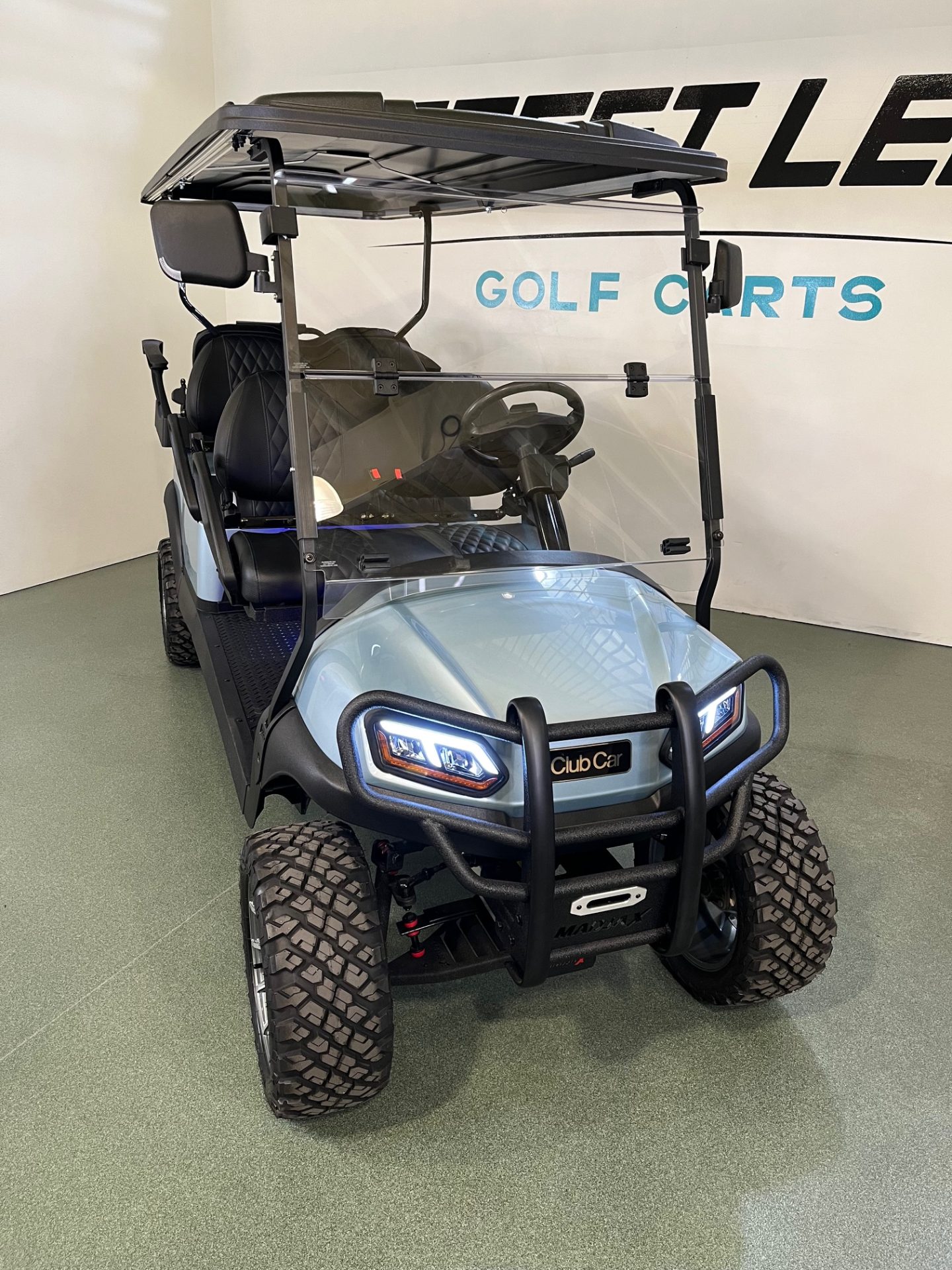
Street Legal · LSV 6-Seater Lithium Lifted
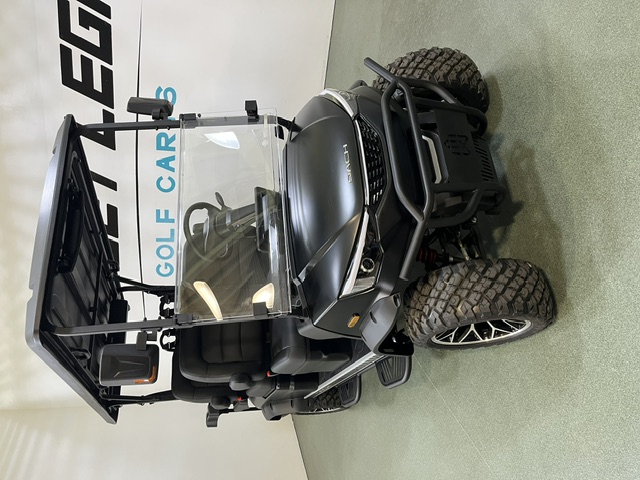
Street Legal · LSV 6-Seater Lithium
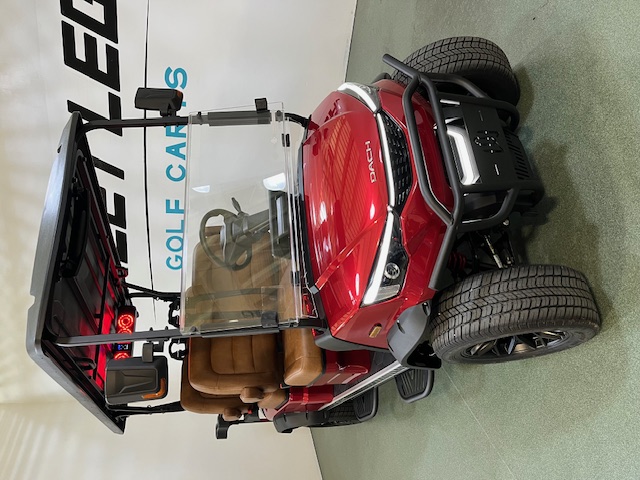
Street Legal · LSV 6-Seater Lithium
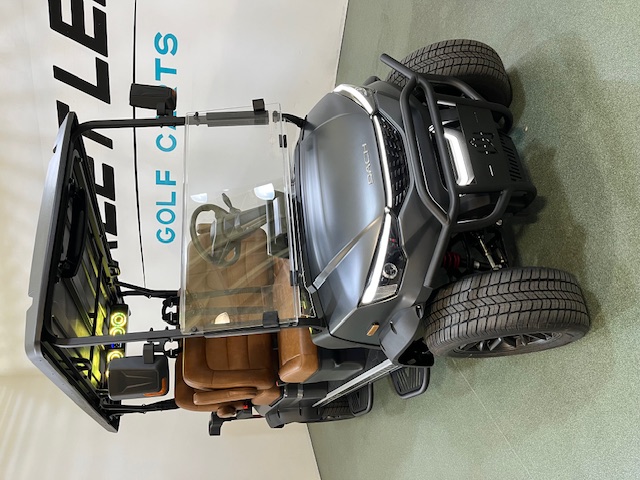
Street Legal · LSV 6-Seater Lithium

Street Legal · LSV Lithium

Street Legal · LSV 6-Seater Lithium

Street Legal · LSV 6-Seater Lithium Lifted
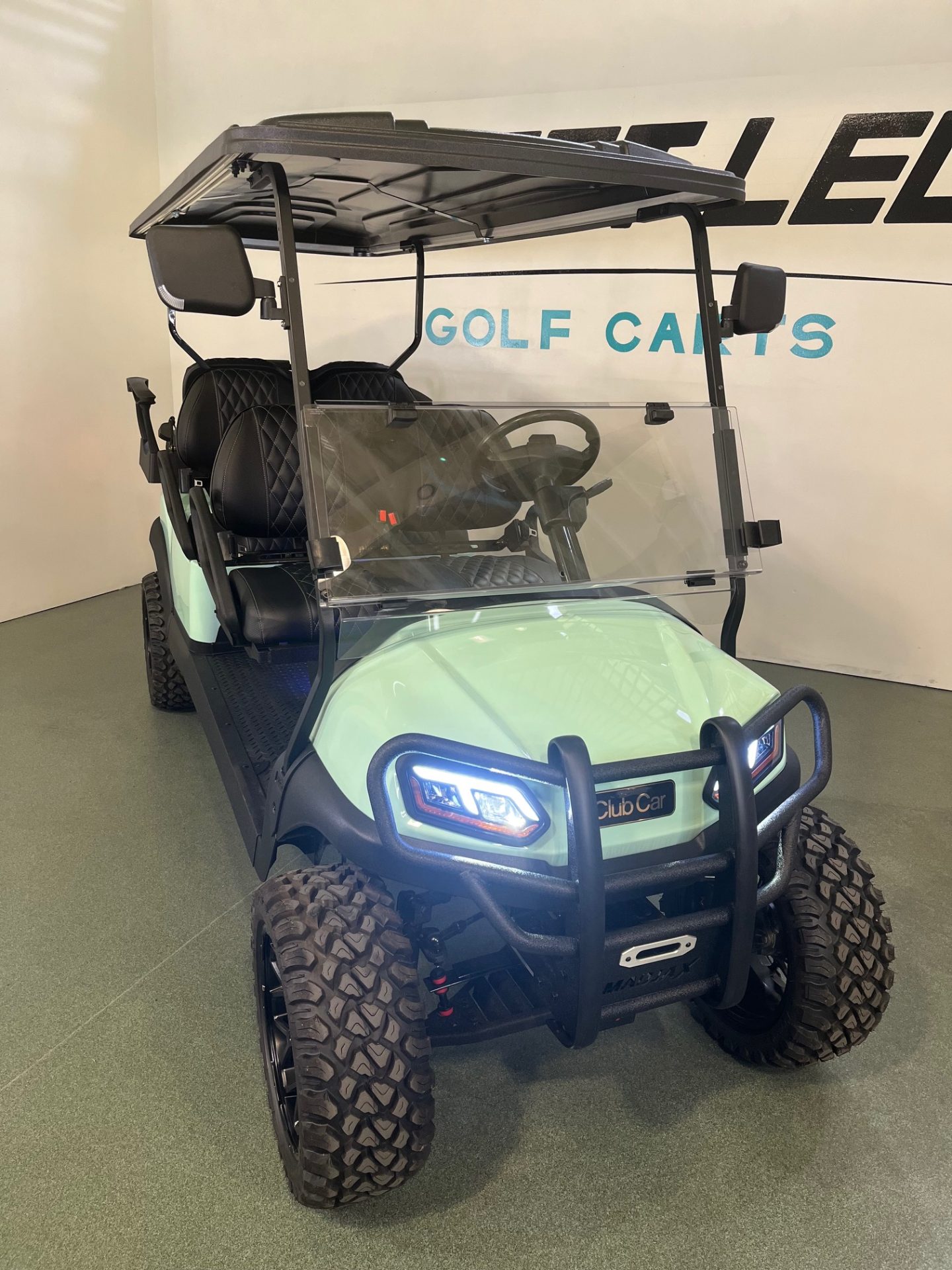
Street Legal · LSV 6-Seater Lithium Lifted
A street-legal golf cart is one built and equipped to be driven legally on public roads — which almost always means it qualifies as a Low-Speed Vehicle (LSV). Under the federal LSV standard a cart must reach 20–25 mph and carry the safety gear of a real road vehicle: headlights, brake lights, turn signals, reflectors, mirrors, a windshield, a parking brake, seat belts, and a 17-digit VIN.
Most states adopted that federal definition and allow LSVs on roads posted at 35 mph or less, but the exact speed cap, where you may drive or cross, registration, insurance, and minimum driver age vary by state — and sometimes by town. NEVs (Neighborhood Electric Vehicles) are the electric version of the same class. Every cart in these listings is represented by its seller as LSV/NEV-equipped; confirm registration and local rules with your state DMV before you buy.